Sheet 02C / 05 — WatchThree minutes each
Animated explainers
Watch
The heart of each post as a short animated explainer, drawn frame by frame and narrated. Watch one, or press play and let the series run.55 videos · 173 min
Start here · the whole series, simply
Databricks on Google Cloud · watch in order14 videos · 41 min
 2:49OverviewWhat this series coversSame platform. A different cloud underneath.
 2:59PrerequisiteWhat a lakehouse isOpen files in a bucket, and a log that makes them a table.
 3:02PrerequisiteWhat a cloud is, and what Google Cloud isLearn the cloud before you deploy on it.
 2:41PrerequisiteIdentity and security foundationsTwo buckets, signed tokens, and which federation you mean.
 2:49Part 1Foundations, how Databricks is built on Google CloudWhich project, and which region? Decide before the first workspace.
 2:54Part 2Identity and access, who may do whatFour places to grant. No keys, nearly anywhere.
 3:18Part 3Networking: dial out, never inEvery path needs a route, a rule and a DNS answer.
 2:38Part 4Serverless networking and egressYour VPC never sees it. Its controls live in the Databricks account.
 2:51Part 5Storage, and what DROP really deletesWhich account, which project, which bucket, which path.
 3:07Part 6Governance and securityWho sees which rows, whose key, who did what.
 2:49Part 7The platform on Google CloudTrust the platform. Check the defaults, the names and the region.
 2:49Part 8Better together: BigQuery, Gemini and Google Cloud servicesOne copy of the data. Each engine does what it is best at.
 2:52Part 9Commercials, quotas and operationsWho pays, how big you may get, and who fixes it on Tuesday.
 3:01Part 10Migration, moving Databricks to Google CloudThe workspace stays behind. Its contents travel, in waves.
Forward deployed engineering · watch in order11 videos · 31 min
 2:58OverviewWhat this series coversThe demo takes an afternoon. The real estate is the job.
 2:35Part 1What a forward deployed engineer actually doesOne customer. Real code. Still running after you leave.
 2:43Part 2Discovery, from a business problem to something you can buildAn ask names a solution. A brief names the problem.
 3:00Part 3Designing inside someone else's estateEvery box has an owner. Ask them in week one.
 2:48Part 4Data readiness and RAG from zeroThe answer is only as good as the page behind it.
 3:06Part 5Enterprise integrations, APIs, connectors and identityReach the systems where the work lives, as the user.
 2:46Part 6Agent frameworks comparedLearn the patterns. Choose for the team that stays.
 2:44Part 7Prototype in days, production in weeksBuild it to throw away. Harden it in order. Hand it over.
 2:58Part 8Debugging in the fieldThe failure hid itself. Find the earliest step that went wrong.
 2:40Part 9LLM-native performance, latency, tokens and costNothing is broken. Measure before you optimise.
 2:44Part 10Talking to executives and proving the outcomeWas it worth it? Answer with a baseline, not a demo.
Production-ready agents · watch in order29 videos · 86 min
 2:46OverviewWhat this series coversSame model. Everything around it is the work.
 2:42PrerequisiteThe Python you need to read agent codeYou don't need to write Python. You need to read it.
 3:12PrerequisiteThe business terms and the data behind the agentsTwo dashboards, one campaign. Both teams are right.
 2:59PrerequisiteHow a model worksTokens, context, settings, and the jobs we never give it.
 2:17Part 1What an agent really is, and the system we will buildWhat a model, a tool and an agent are, explained from the ground up, and the three ADK classes every agent in this series runs on. Then the system we will build together, and the one design rule behind it.
 3:09Part 1.25The complete architecture, one pictureDraw the finished system first, then build it box by box.
 3:00Part 1.5The harness, the loop and the contextThree disciplines underneath every agent.
 3:35Part 1.75Agent frameworks, and where ADK fitsSix frameworks, one category. Your tools and rules stay yours.
 3:19Part 1.9How agents connect: MCP, A2A and UTCPWhat is on the other side decides the protocol.
 2:52Part 2Your first agent: one job, narrow toolsNames, not SQL. The docstring is the contract.
 2:56Part 3Letting an agent touch data safelyAn instruction is a request. Code is a guarantee.
 2:41Part 3.5Letting an agent write and run code safelyLet the model write the code. Run it on a closed track.
 2:42Part 4Skills, teaching an agent howTools say what it can do. A skill says how to do the job well.
 2:46Part 5The router, let code choose the pathModels read and write language. Code makes the decisions.
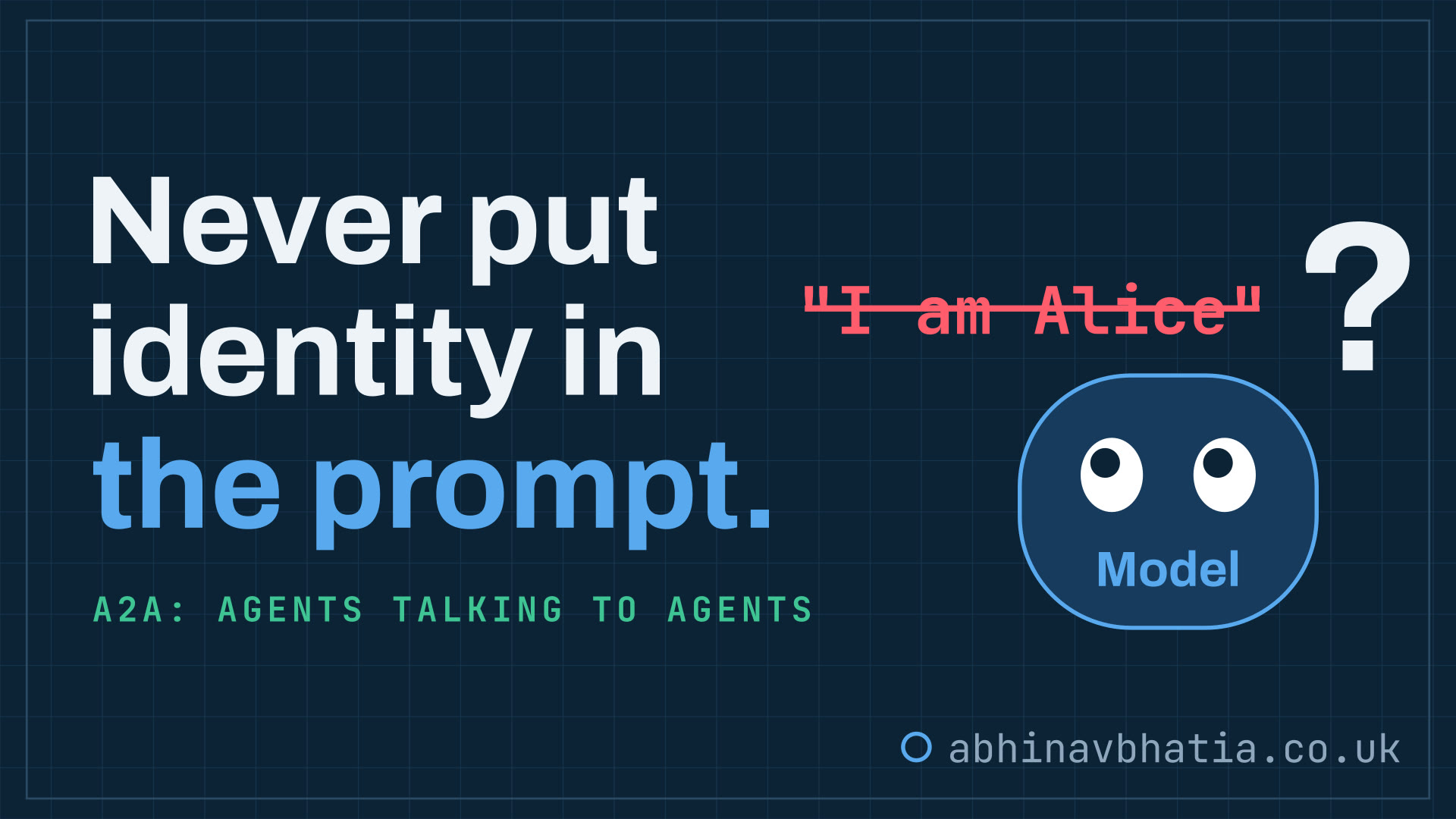 3:09Part 6Agents talking to agentsThe question goes in the message. Who is asking goes in metadata.
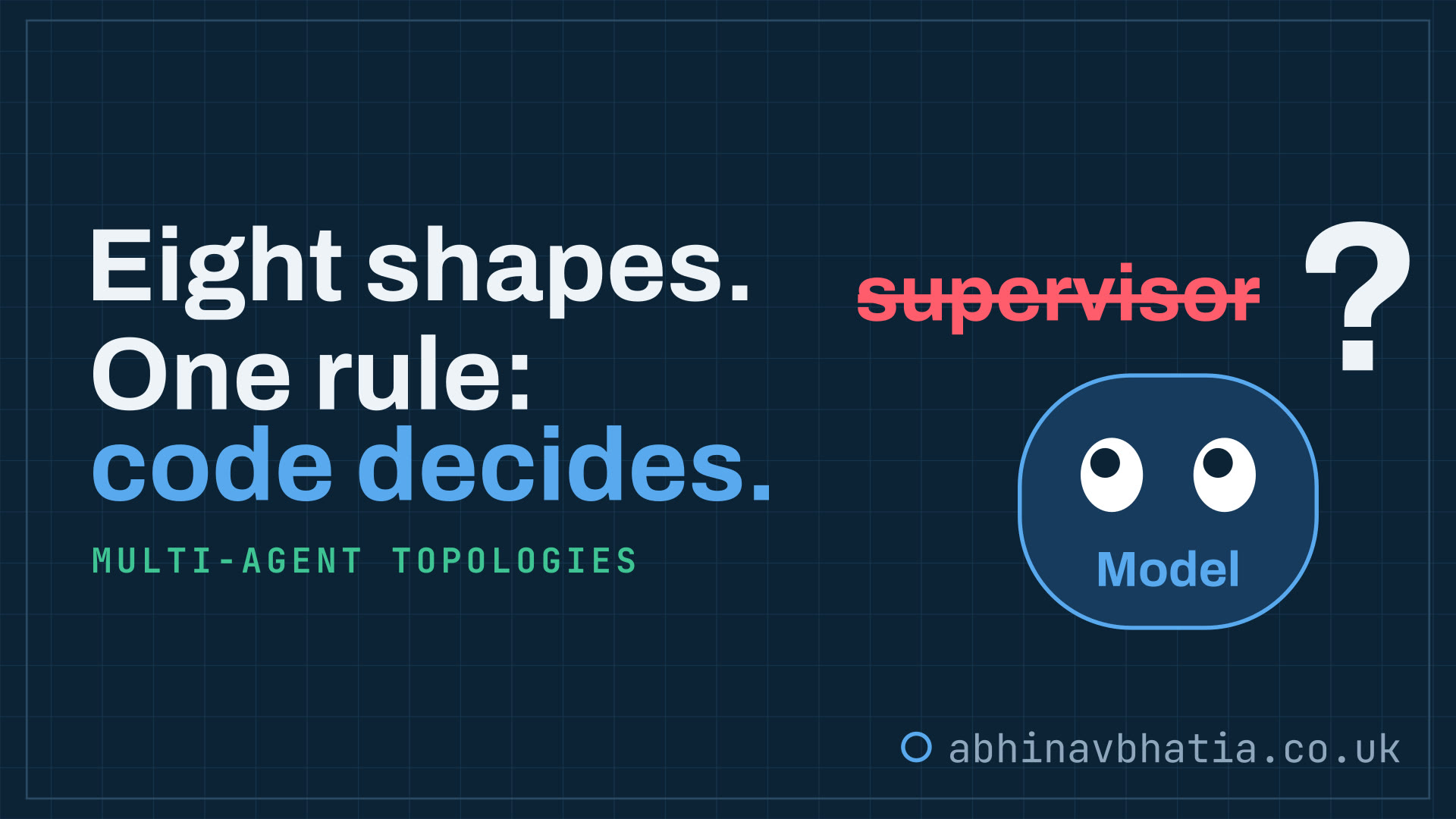 3:03Part 6.5Multi-agent topologies beyond a routerEight shapes, two axes, and one rule for combining them.
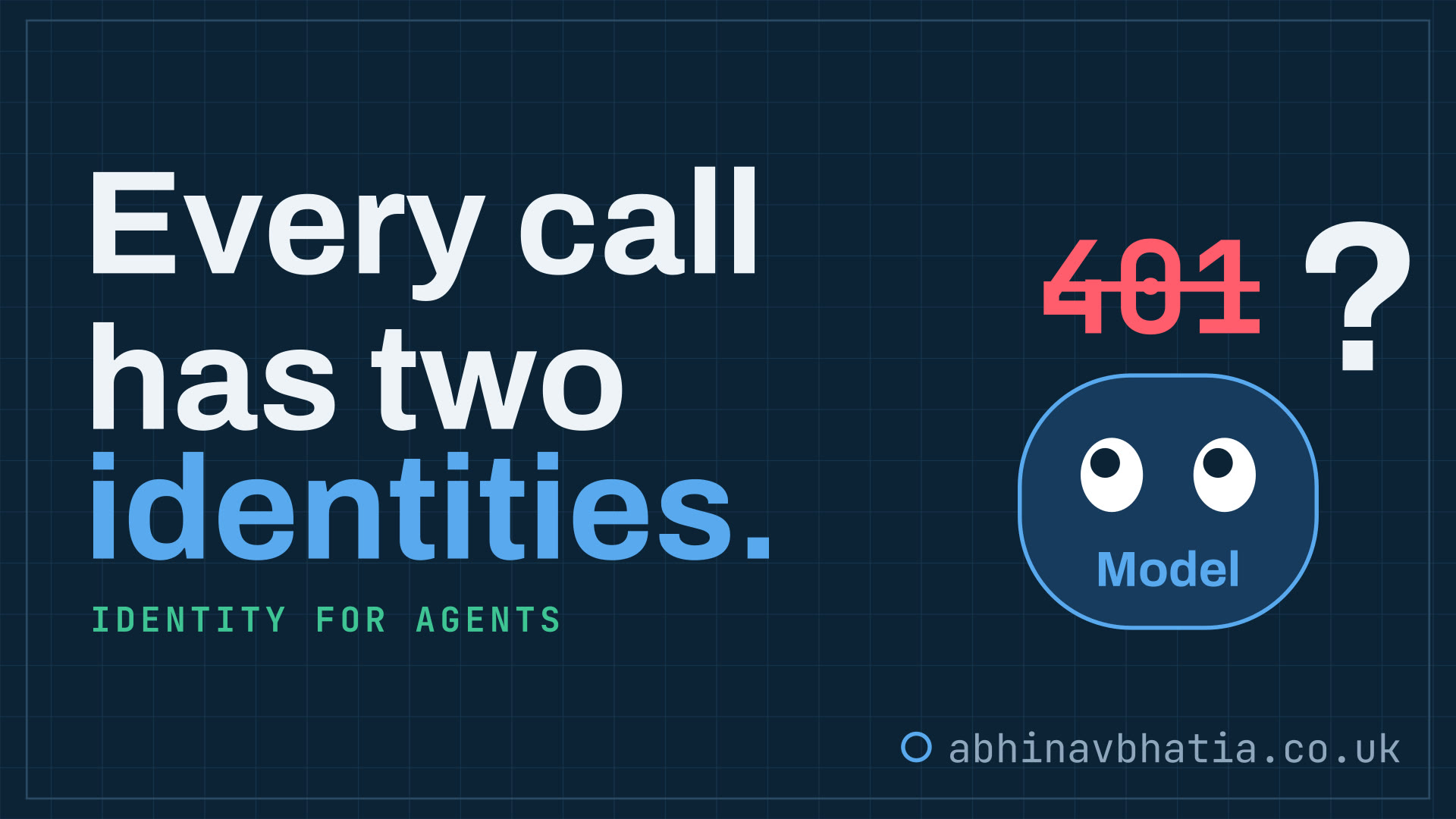 2:47Part 7Who is asking? Identity for agentsTwo identities in every call. The model never sees the token.
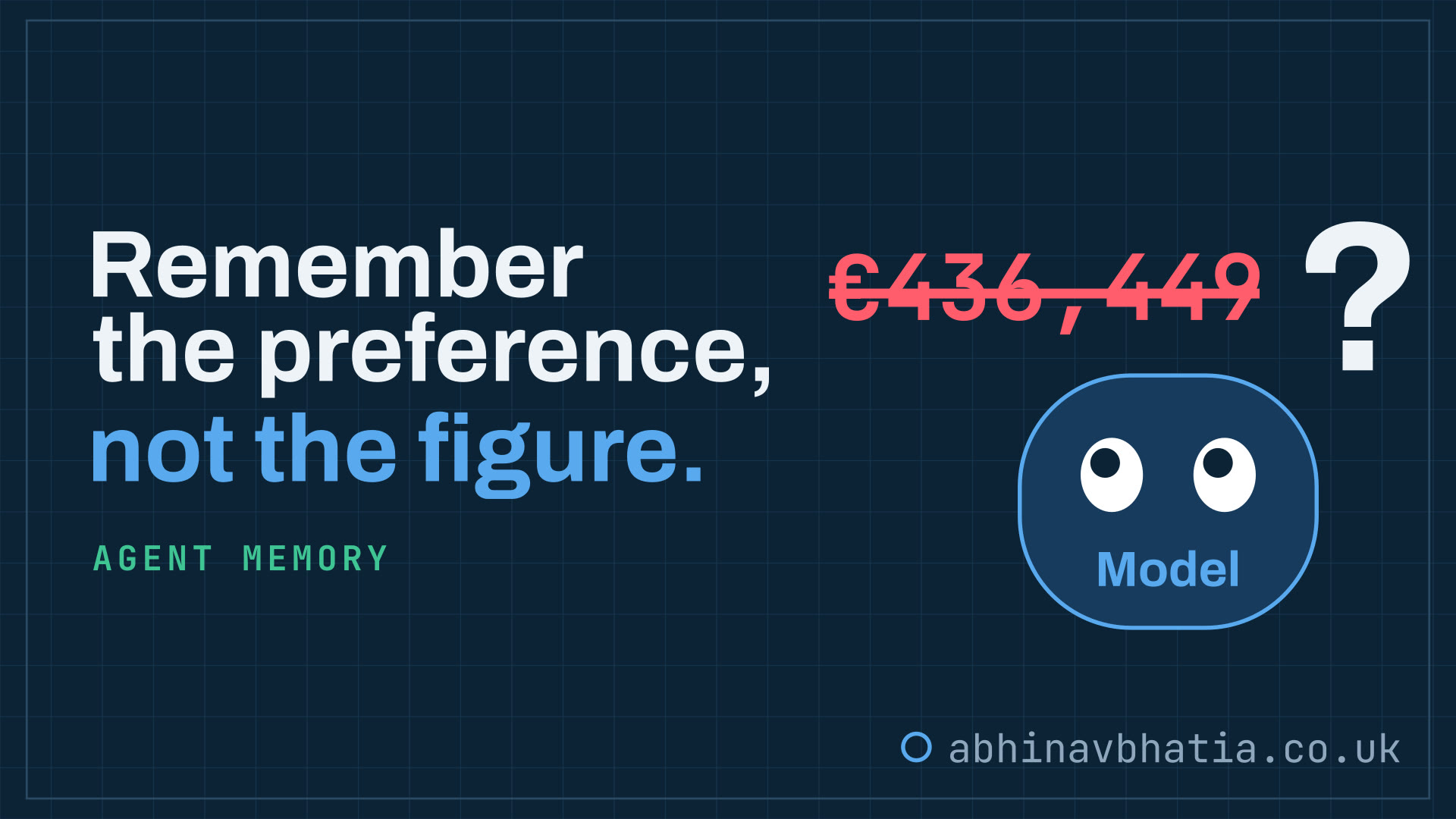 3:00Part 8Memory, what an agent should rememberKeep the preference. Never the figure, never the token.
 2:44Part 9Guardrails that cannot be talked aroundAn instruction is a request. A plugin is code.
 3:05Part 10Proving it works, evals that gate releasesWorking on my machine is not the same as proven.
 3:01Part 11Deploy, observe and pay for itThree engines, one trace per question, one cost that counts.
 2:58Part 11.5Fallbacks and budgetsDecide in code what happens, before anything breaks.
 3:22Part 11.75What Gemini Enterprise isOne work agent. The same building blocks, under different names.
 3:07Part 12Giving it to usersOne agent, the user's consent, and a gate at every stage.
 3:03Part 12.5Front doors and runtimesWhere people ask is not where the agent runs.
 2:46Part 13Choosing and running models for agentsWhich model, on which platform, for which step.
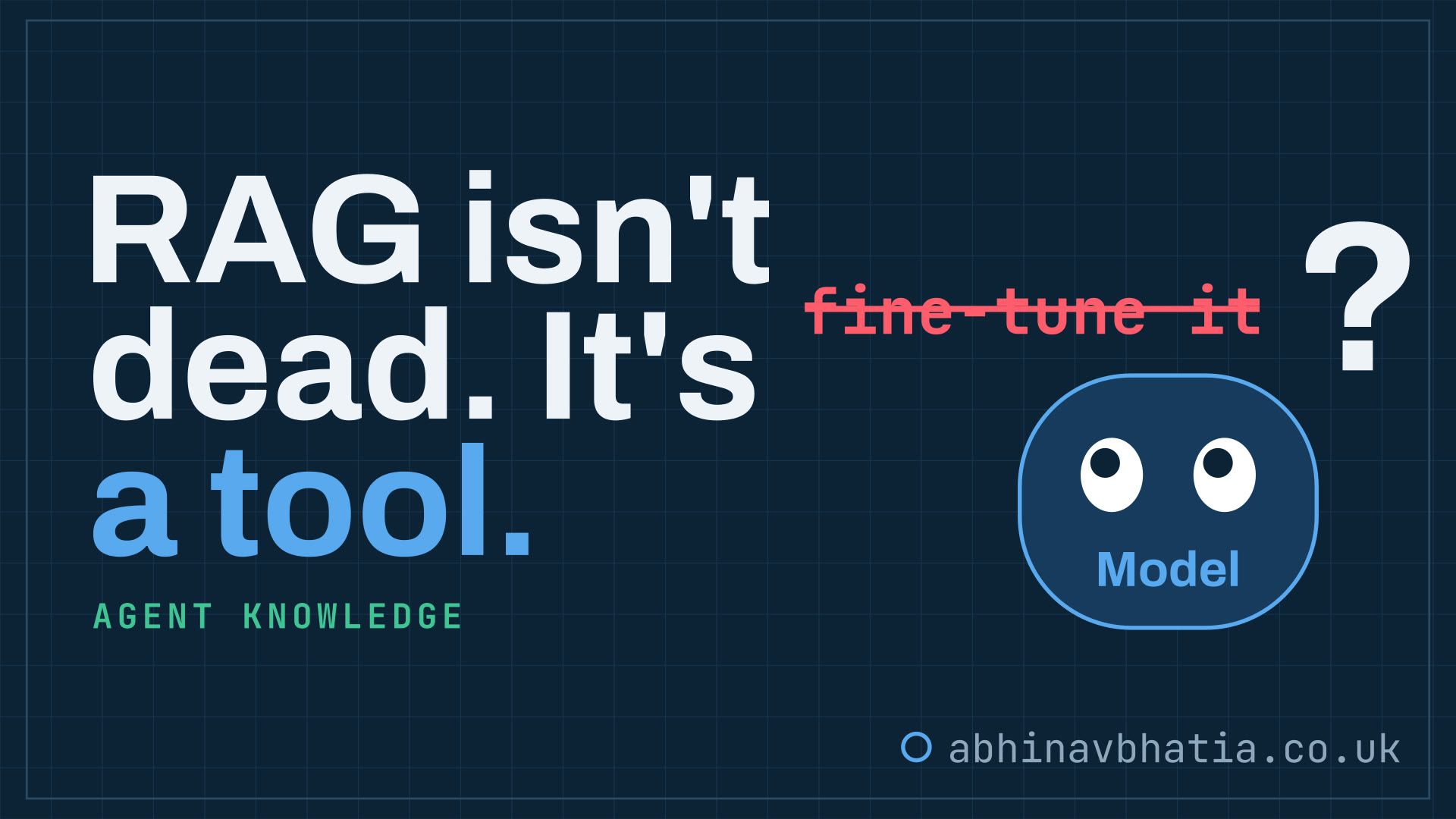 3:22Part 14Knowledge: RAG, long context and fine-tuningWeights, context or a tool: pick the right home.
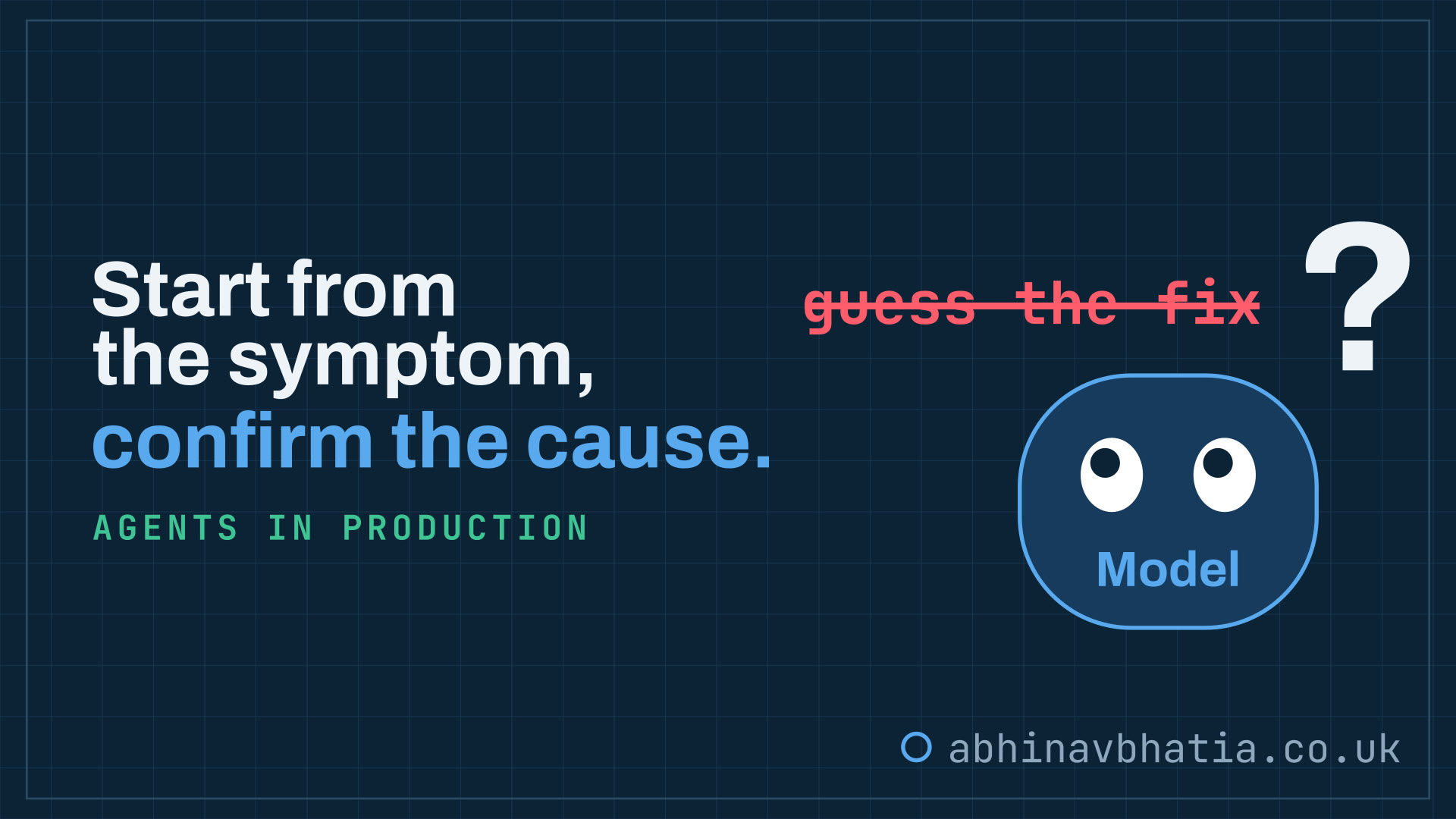 2:48Part 15What breaks in production: answers, loops, costStart from the symptom. Confirm the cause. Then fix it for good.
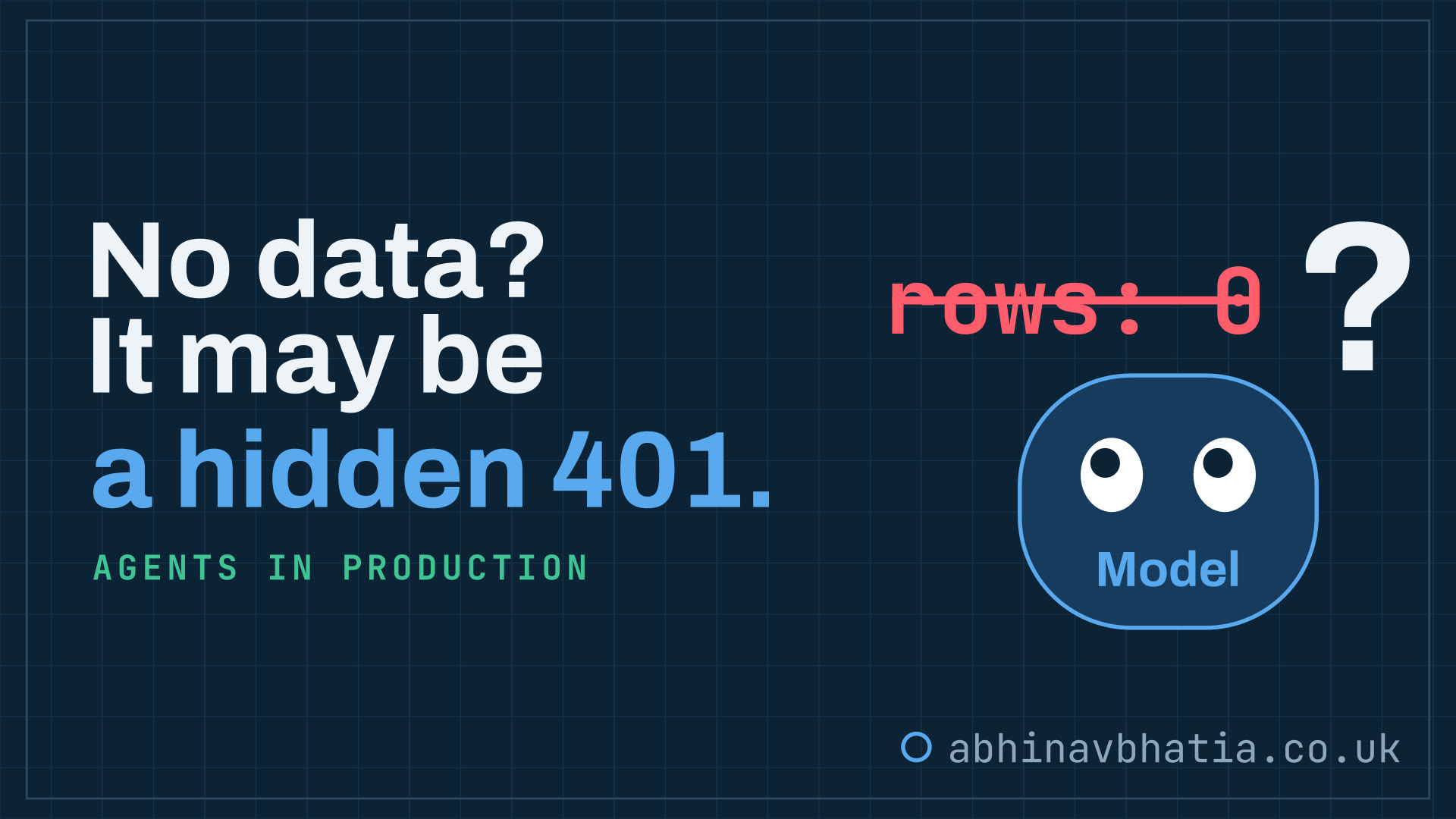 2:37Part 16What breaks in production: trust and rolloutContain first. Then find the cause.
The narration is a synthetic voice; the scripts and animation are mine. Every video is also inside its post.